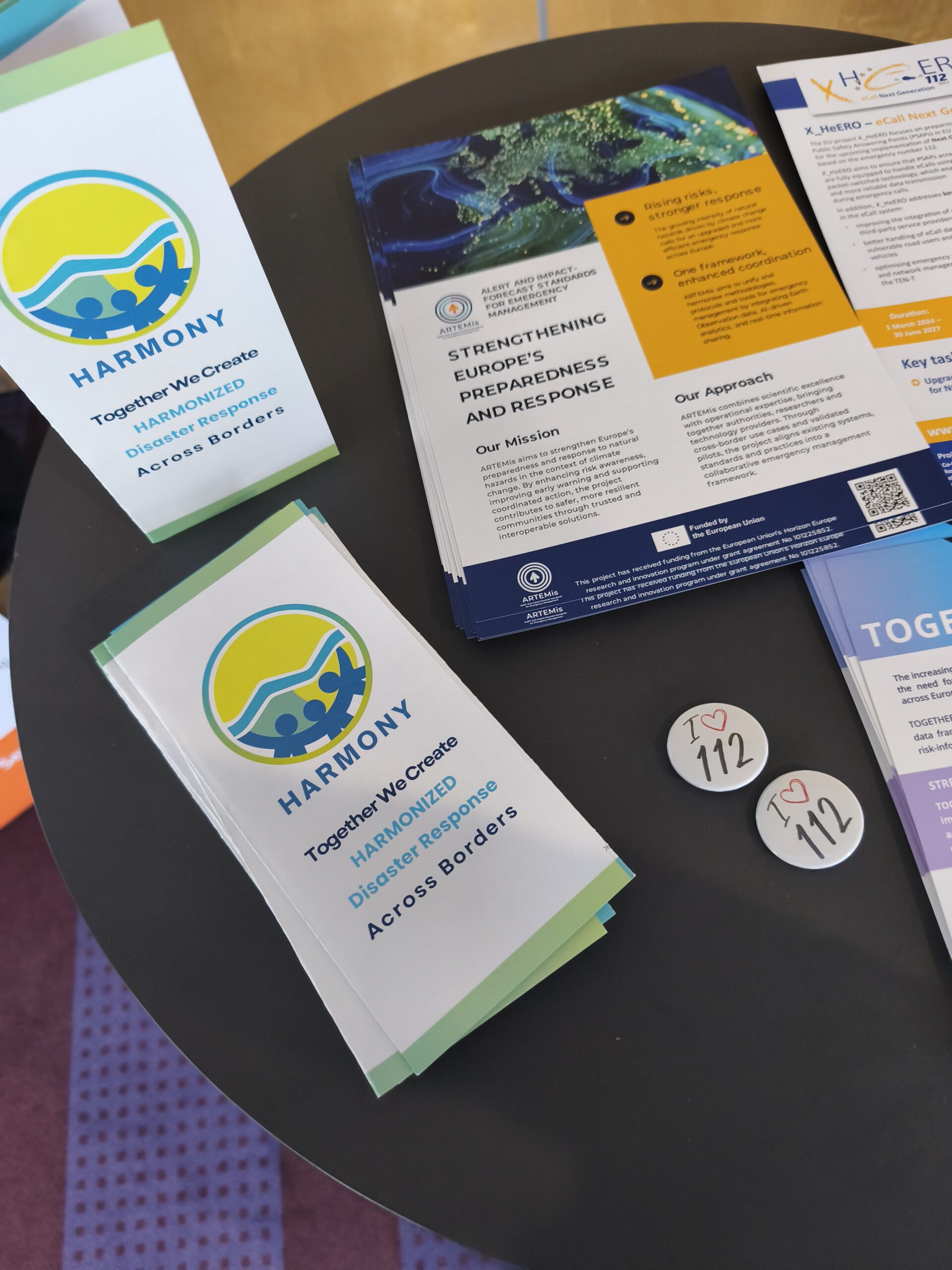
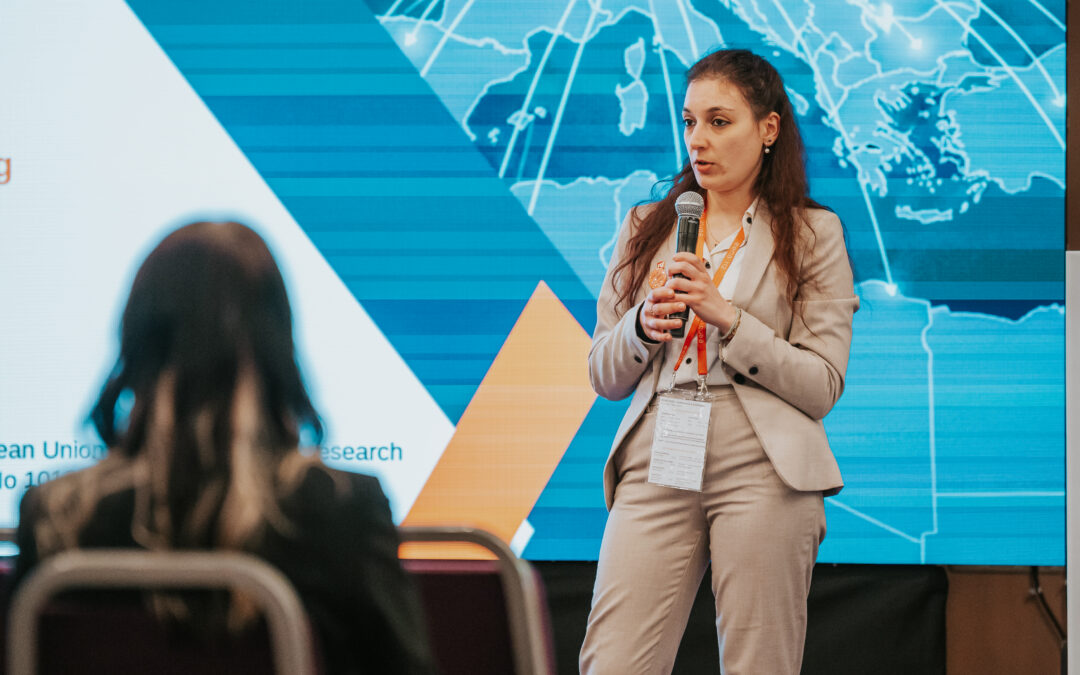
The ARTEMis project was present at the EENA 2026 Conference, that took place in Riga, Latvia, on 15-17 April. During the second day, the session on empowering citizens before the alert brought together different yet complementary perspectives on disaster preparedness. Framed around the question of how to build prepared communities, the discussion moved beyond theory and revealed a consistent reality across regions: while awareness of risks is growing, the ability to act remains limited.
The ARTEMis project provided a starting point for this reflection, with Beatrice Carradorini from EENA presenting the results of a societal needs survey on disaster preparedness. The ARTEMis project itself seeks to improve emergency management through better integration of data, technologies and coordination mechanisms, but it also places strong emphasis on understanding how citizens perceive risk and preparedness.
The survey results highlighted a gap that although familiar, it’s still striking. Many respondents indicated uncertainty about basic actions during emergencies, such as where to find shelters or how to access assistance. Awareness of local emergency plans and evacuation routes was far from universal, and only a small proportion of participants felt well informed by authorities before, during or after hazardous events. All in all, authorities are felt distant from citizens when it comes to crisis and disaster management. At the same time, the findings revealed something more encouraging: a clear willingness among citizens to engage. A large number expressed interest in participating in trainings and awareness campaigns, suggesting that the issue is not apathy, but rather a lack of accessible pathways to preparedness.
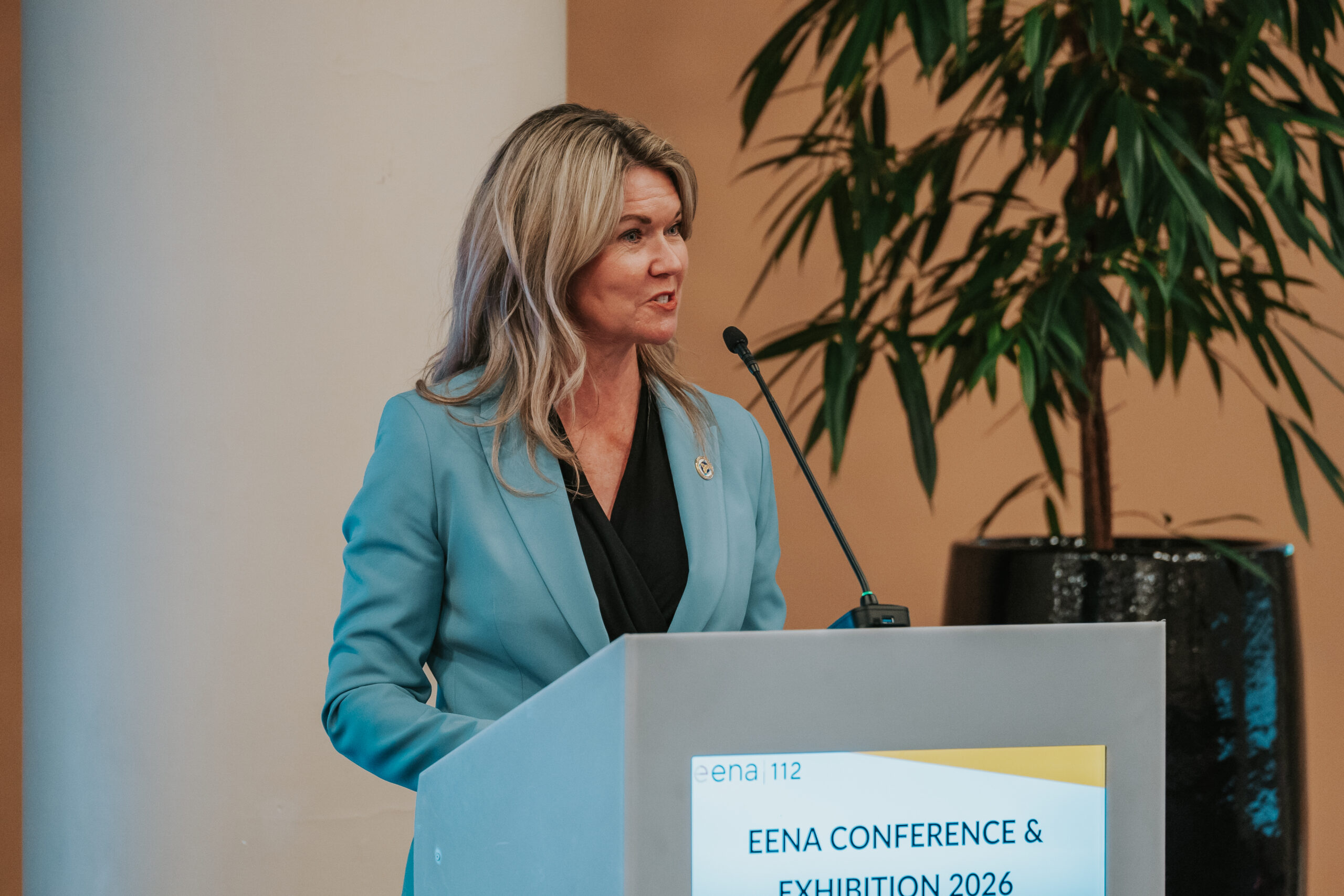
This tension between awareness and readiness resonated strongly with what the other speakers had to say. Minister Jill Dunlop, representing Ontario’s Ministry of Emergency Preparedness and Response in Canada, illustrated how this gap can be addressed in practice. Faced with a wide range of hazards, from wildfires to extreme weather events, Ontario has developed a model that actively involves citizens as part of the response system itself. Central to this is the Ontario Corps, a volunteer-based initiative launched to provide on-the-ground support during emergencies. Volunteers assist with shelter operations, distribution of supplies, medical checks and other essential services, often mobilised within a short timeframe.
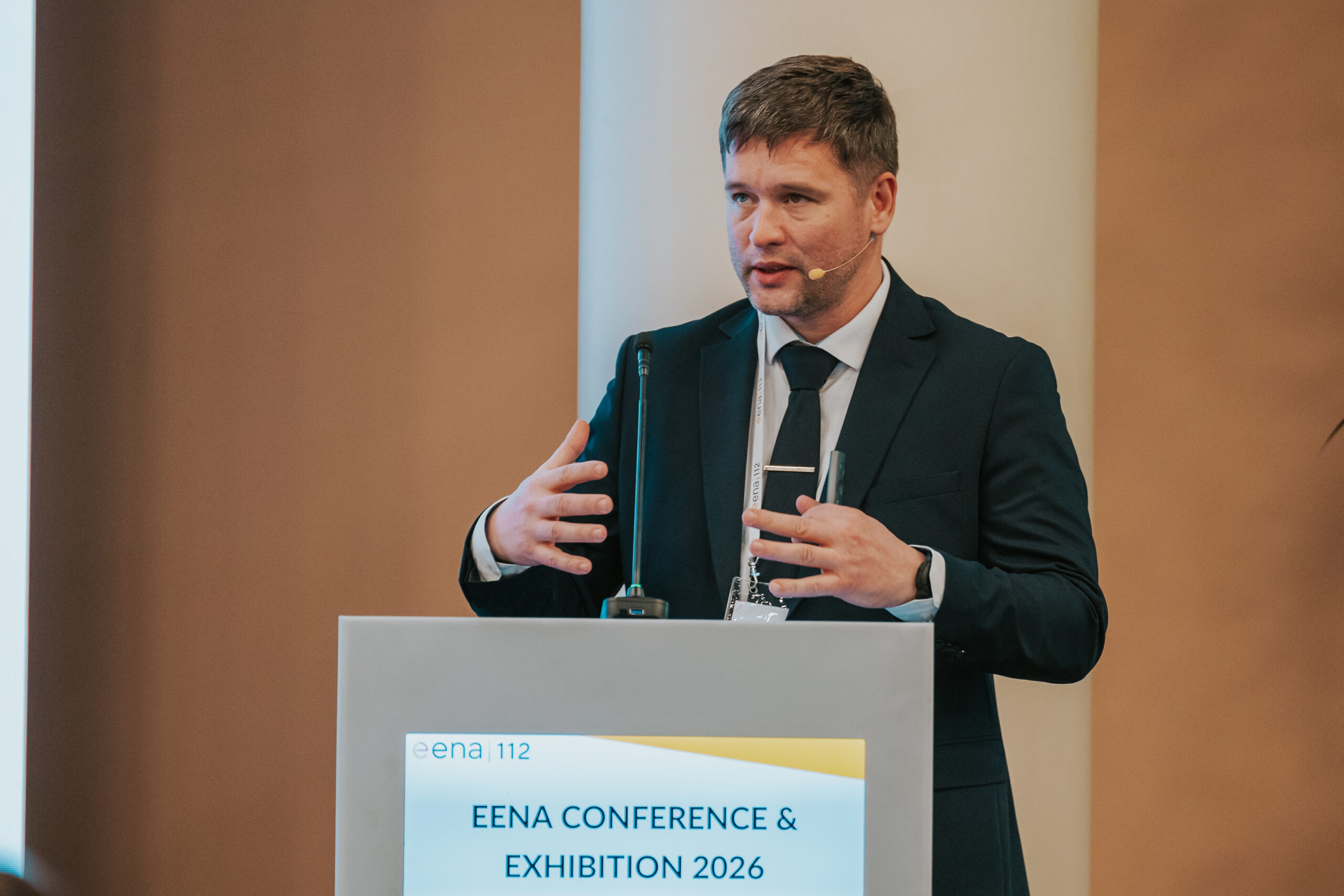
A similar emphasis on preparedness as a collective effort was echoed by Gints Reinsons from Latvia’s Crisis Management Centre. His intervention focused on building a nationwide approach that connects institutions, authorities and citizens before a crisis occurs. Rather than viewing preparedness as a set of isolated measures, the Latvian perspective framed it as a continuous process requiring coordination, planning and shared responsibility across the whole of society
What emerged from the session was not a set of disconnected examples, but a coherent narrative. Each contribution pointed to the same conclusion: preparedness cannot be achieved through top-down policies alone. It depends on whether individuals understand risks, trust the information they receive, and feel capable of taking action. It’s a matter of mindset
The challenges identified — limited awareness of procedures, insufficient communication, and barriers to engagement — were mirrored in the solutions presented by Ontario and Latvia. Volunteer mobilisation, clear information channels, and whole-of-country coordination all respond directly to these shortcomings.
The discussion in Riga ultimately reinforced a simple but often overlooked idea: preparedness is not only about systems and technologies, but about people. While tools and coordination frameworks are essential, they only become effective when citizens are able and willing to use them. Bridging the gap between knowing and doing remains one of the central challenges for emergency management today, and one that requires sustained effort across all levels of society.